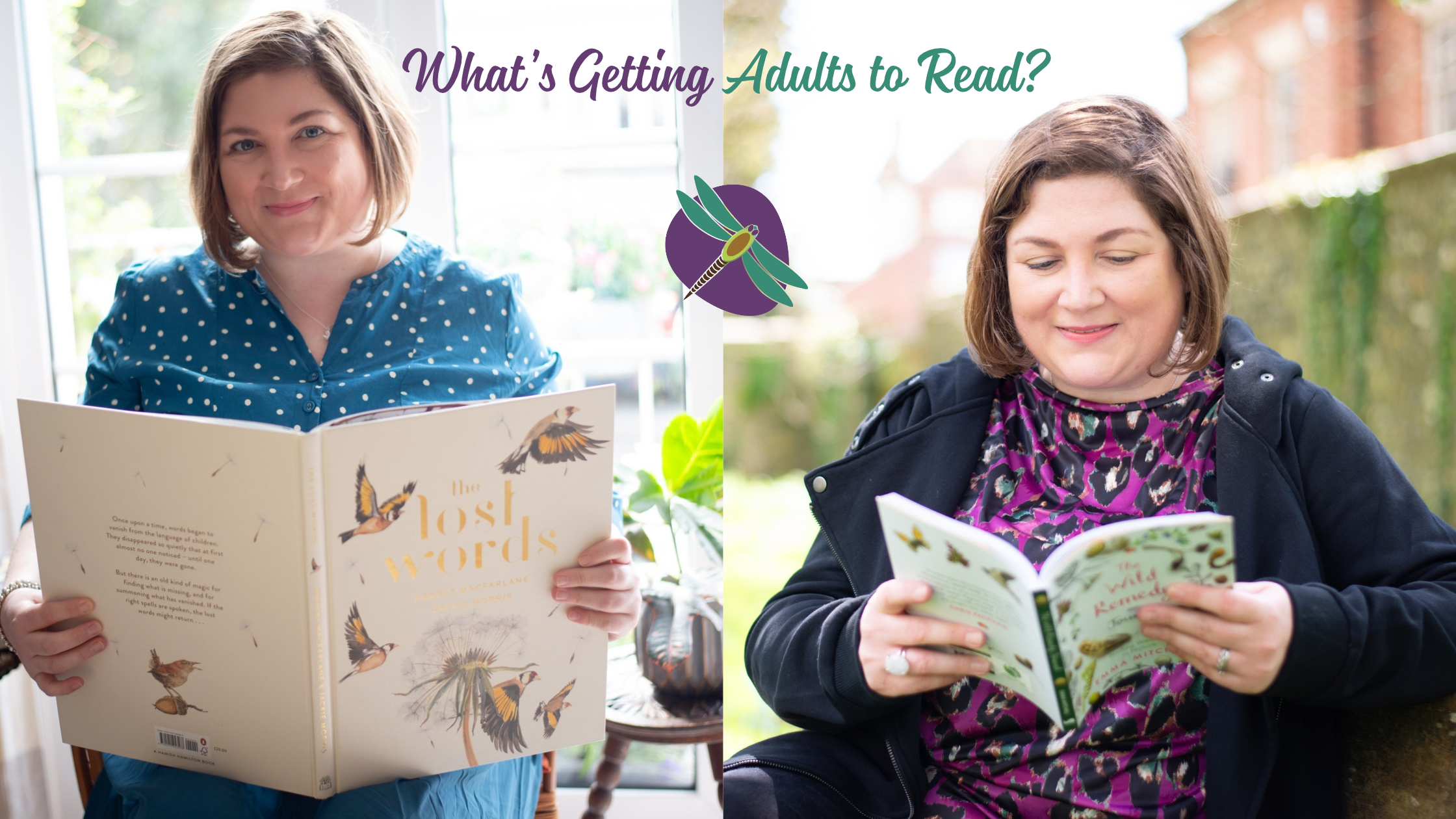
I couldn’t let the National Year of Reading end without touching on its importance as a movement. As we head towards the end of 2026, I wanted to reflect on the nation’s reading habits while sharing some of my favourite recent reads to encourage and inspire you.
National Year of Reading 2026
The National Year of Reading 2026 aims to help people in the UK rediscover the joy of reading. It’s a Department for Education initiative delivered by a group of literacy sector charities and supporters. These include my charity of choice, Book Trust.
Reading expands worlds, sharpens minds, builds confidence and fuels creativity. But even when we know the benefits, more distractions and less time mean reading for pleasure is in decline across many groups.
So, reconnecting reading with everyday culture is important now. And it’s not just about encouraging children to read. Without guilt or obligation, the national movement highlights that stories and imagination are for everyone.
Are UK adults still reading?
Have you heard that reading is the third most popular free time activity for UK adults? This is good news for my author clients!
According to The Reading Agency’s State of the Nation’s Adult Reading: 2025 Report, released last October, millions of UK adults read every day. This annual nationwide survey covered areas from reading frequency and confidence to benefits and barriers.
But despite 53% classing themselves as “regular readers”, 47% of UK adults don’t identify as “readers”. Interestingly, 77% of the “non-readers” consume words in other ways, such as news articles and graphic novels. Focus is a struggle reported by many.
Also, adults who consider themselves to have a learning difference were 28% less likely to classify reading as comforting, with over 20% feeling overwhelmed. However, adults with learning differences rated all reading formats other than traditional print books as more enjoyable. What’s more, only one in two adults say they can easily find representative books and characters.
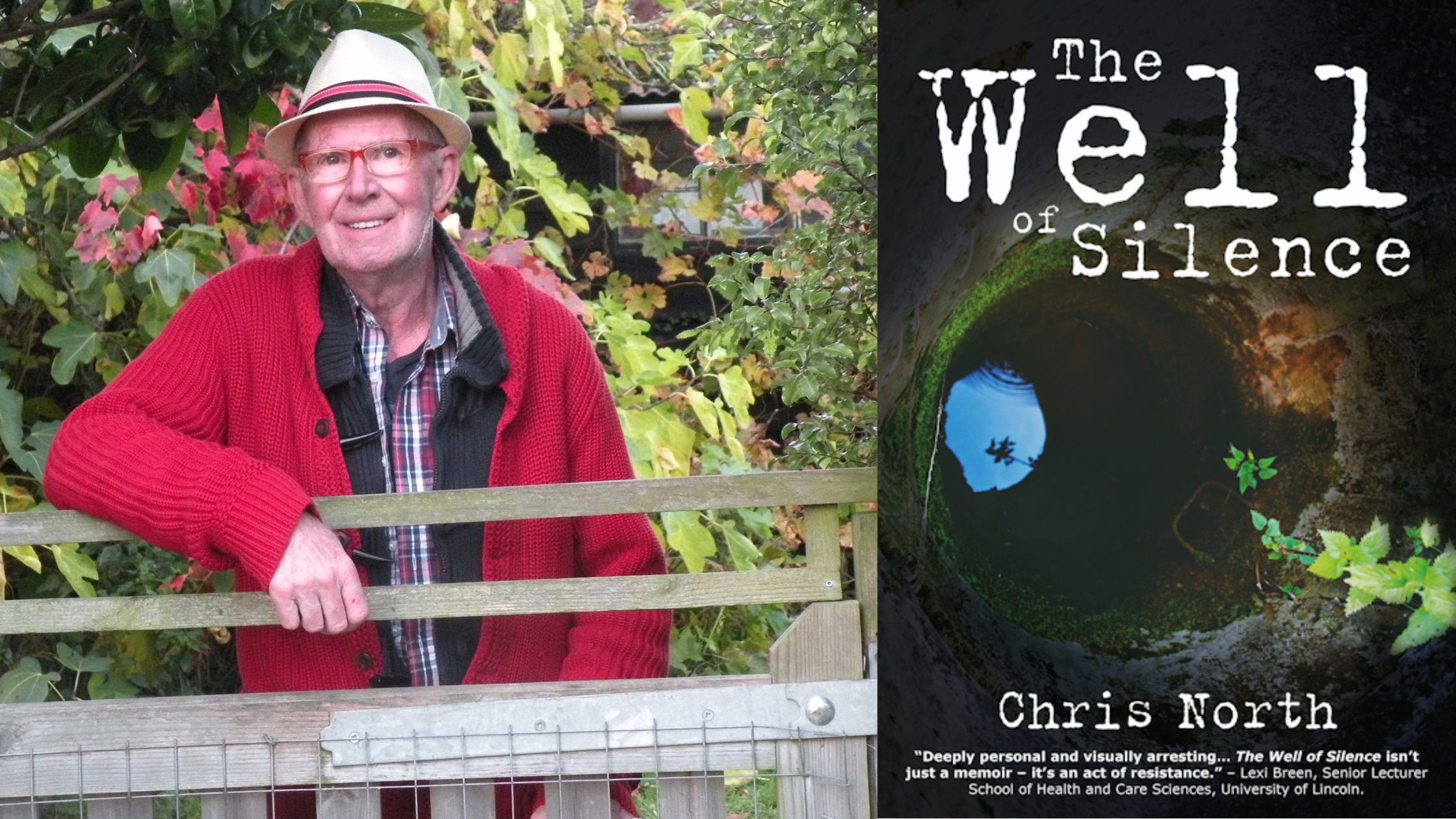
Chris North’s graphic memoir, The Well of Silence, goes to show that when tackling difficult or sensitive issues, a book with a balance of images and text can be a winning formula.
As Chris says: “There are many ways to tell a story and creating graphics for my memoir enabled me to peel away hidden layers of my life. For readers too, images can have an additional, different impact. They can lift words off the page”.
I edited The Well of Silence’s scholarly foreword, by Professor Peter Hegarty, to be far more readable and digestible for all. Since its launch in May 2026, the book has received over 20 outstanding reviews. It’s also inspired talks and exhibitions at universities and museums here and abroad.
As a champion of inclusivity and a former teacher, Chris is pleased to encourage reading in adults with learning differences. He’s doing his bit to represent the LGBTIQ community while raising awareness of what it means to be intersex too.
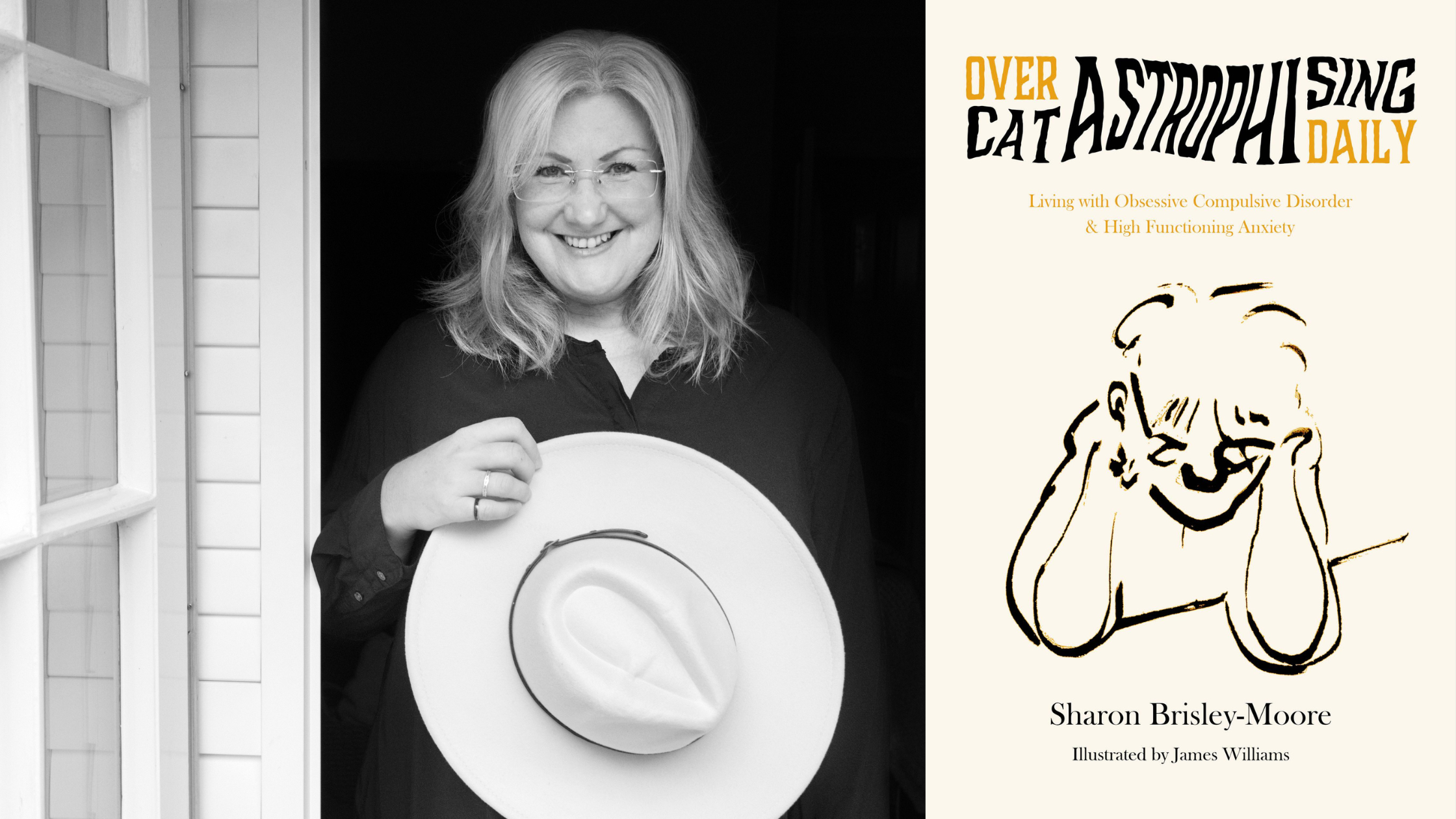
This research also suggests that almost half of adults in the UK are part of the TLDR (too long, didn’t read) gang. Sharon Brisley-Moore’s requested that I make her memoir and self-help book accessible to readers with mental health conditions like hers. So, I edited Over Catastrophising Daily with breaks in the text — like I would when creating SEO web copy. General advice when writing for websites is to aim for a reading age of around 9 years old. This allows for increased readability and scanability. Inevitably, most people reading online will only scan the text and take in minimal information. Techniques that facilitate this are:
- Shorter sentences and paragraphs
- Bullet point or numbered lists
- Plenty of subheadings
See what I did there?! Broken up text can break down barriers.
Sharon’s book was refused for sale in a local bookshop because the owner didn’t appreciate the nuances of the book and the need for easy-to-read text. On the other hand, it encouraged someone with dyslexia to read their first book in over 20 years. Speaks volumes, doesn’t it?
Here’s Sharon’s take on the State of the Nation’s Adult Reading: “I’m not surprised reading is the third most popular pastime. I see people doing it everywhere I go in different ways and formats. My book needed to be an ‘easy read’ as readers likely to choose it are overwhelmed and exhausted, so don’t have the mental capacity for highfalutin words. Also, no one talks like that! It was key that my book felt like having a natter with friends about the important stuff. Straight out… off your chest.”
Making time to read
It seems, like with everything else right now, time’s a major barrier when it comes to reading. Of those interviewed, 55% admit to reading less than planned. Those with more time on their hands are 25% more likely to read on a regular basis and reading is mostly ranked among older women. People with less free time are 46% more likely to be lapsed readers and 50% more likely to be non-readers.
For almost all age groups surveyed, watching TV and scrolling online are more favourable free-time activities. But reading is still the chart topper for 28% of UK adults. So, what are over a quarter of the polled participants doing differently and why’s it good for them?
It’s likely that those still finding the time to enjoy reading a book do one or all of these things:
- Carve out time to cosy up with a good book
- Give themself “permission” to read
- Allow themself the space to focus
These can be hard to do, unless you live alone and have no dependents or commitments. And it’s even harder if you don’t prioritise reading. But making time to read is also good for your mental health.
When compared to non-readers, regular readers are:
- 86% more likely to report feeling a sense of belonging to their community
- 58% more likely to report feeling generally happy
- 51% more likely to report finding it easy to relax
- 45% more likely to report sleeping well
- 35% more likely to say they don’t feel lonely
- 32% more likely to say they don’t feel anxious or depressed
You can’t argue with that! But how are they managing it?
The Silent Book Club revolution
One of the most mindful ways to make time for reading is to join a Silent Book Club (SBC).
West Sussex Libraries offers silent reading clubs throughout the county and coin what it’s all about perfectly:
“Take an hour away from your hectic day-to-day life and give yourself permission to read. The session includes a brief introduction before an hour’s silent reading and finally an opportunity to talk about what you’re reading (but only if you want to!).
“No need to book your place, just come along. You read in silence, but the real magic is in doing it together, surrounded by like-minded people”.
| Library | Day | Time |
| Crawley | 3rd Saturday of the month | 2.30-3.30pm |
| Durrington | Thursday | 12.30-1.30pm |
| Ferring | 2nd Friday of the month | 2.00-3.00pm |
| Horsham | Saturday | 3.00 -4.00pm |
| Steyning | 1st Tuesday of the month | 2.00-3.00pm |
| Worthing | Friday | 11.15am-12.15pm |
As someone who was frequently told off for chatting during reading time at school, I haven’t yet exposed fellow bibliophiles to my questionable silent reading approach. But I know plenty of book fans who find this beneficial and have joined a club here in Chichester, including Sharon Brisley-Moore, who says:
“I adore SBC and fell head over heels on day one. The first, and most powerful benefit, is the concept…. Just saying hello or nodding, sitting down and reading without having to engage. This calms the nervous system, a huge bonus for anyone (including me) who’s exhausted from anxiety overload when walking through the door of a new place and seeing new faces. Secondly, it’s a truly inclusive group. Thirdly, reading what you want at your own pace keeps the joy of reading alive! Lastly, you’re encouraged to carve out two hours of guilt-free uninterrupted peace, imperative to look after your mental health. I highly recommend everyone gives it a go”.
Silent Book Club Chichester meets on the 1st Wednesday afternoon (14.00-16.00) and 3rd Wednesday evening (18.00-20.00) each month at Robin’s Nest Coffee Shop, 5 Baffins Court, Chichester. View all events at Robin’s Nest.
My National Year of Reading page-turners
Here are 12 recommendations — one for each month of the National Year of Reading — for when you make precious time to get up close and personal with a book. Some I’ve read this year, others are old favourites I’ll read again and again:
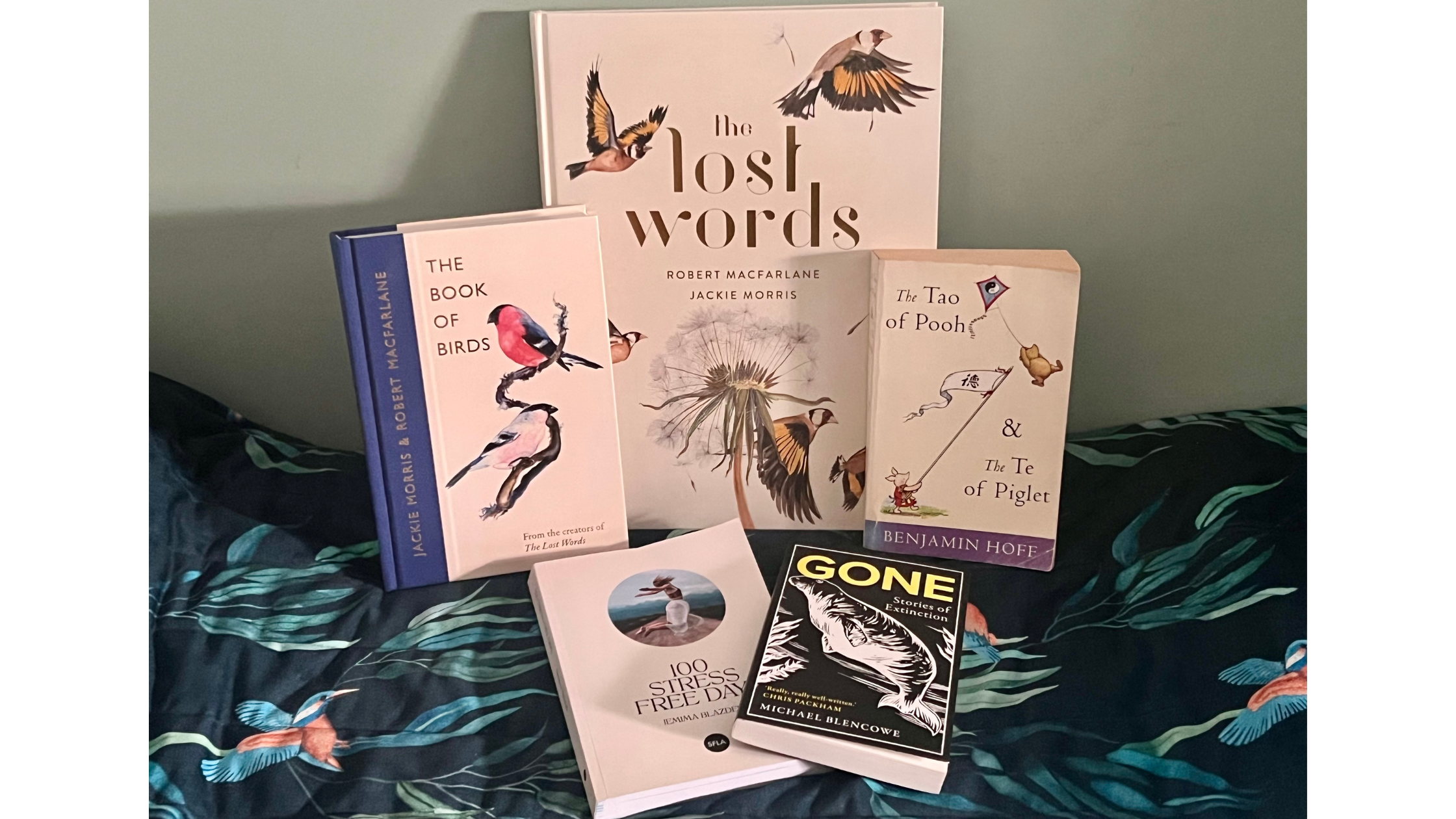
- The Lost Words: A Spell Book by Robert Macfarlane and Jackie Morris is probably my favourite book, influencing my values and creativity over the last nine years. Described as a ‘cultural phenomenon’ in The Guardian with a transformative effect, The Lost Words was a response to the removal of everyday nature words such as “bluebell” and “kingfisher” from a widely used children’s dictionary. With many awards and accolades, it succeeds far beyond conjuring back the near-lost magic of nature. While Morris and Macfarlane’s most recent collaboration The Book of Birds) is a love letter to the splendours of birdlife and the 2026 Wainwright Prize Book of the Year.
- The Tao of Pooh & The Te of Piglet by Benjamin Hoff is a warm, witty and wonderous slightly satirical self-help book that makes philosophy accessible. It offers sage advice in the voices of beloved childhood characters from AA Milne. I was gifted this as a teen by a family member, and it was a reading revelation. Hoff demonstrates that Pooh is far more than a bear of very little brain.
- On the Marsh: A Year Surrounded by Wildness and Wet by Simon Barnes is a book that I will (and have) read again and again. It’s about how the rewilding of eight acres of Norfolk marshland inspired a family and brought nature closer to home. I listened to the audiobook, narrated by Simon, and this made his beautiful descriptions of nature, joyful encounters and family characters richer, warmer and more relatable. It’s a truly soothing book that was a big inspiration for me to write a memoir based on my wildlife encounters.
- The Hallmarked Man by Robert Galbraith. I know JK Rowling has undergone some branding issues, but her Cormoran Strike books remain my favourite crime reads. The characters are gritty, funny, authentic and relatable. The plots are always so wonderfully woven that you never see what’s coming. The only problem is that they keep me awake because they’re too good (I listen to audiobooks to help me sleep, or not). I can’t wait for Sleep Tight Evangeline in the new year.
- Raising Hare by Chloe Dalton. I’ll admit to feeling uncomfortable at the start as Chloe brought a wild creature into her home, and I struggled with the ethics of that. But, as the book progressed, so did Chloe. She was honest and vulnerable. The encounters she had with the hare family throughout were enchanting. The descriptions made me feel like (and wish) I was there.
- Sea Paths: Book 1 of The Book of Bera Trilogy by Suzie Wilde. This is a treasure chest of vivid characters and magical nature descriptions. I loved the beautiful nature writing interwoven with the stark ways of historical life. For me, it was Why the Whales Came (one of my favourite childhood books) meets The Vikings (one of my favourite adult TV dramas). Suzie’s a local author and, although I haven’t worked on her books, she was a wonderful guest speaker at my creative children’s workshops, Story Factory Chichester.
- Gone by Michael Blencowe. I couldn’t wait to read Michael’s book because his witty online talks for Sussex Wildlife Trust kept me in good spirits during lockdown. I wasn’t disappointed. Inspired by his childhood obsession with extinct animals, the author takes us on a journey around the world through natural history. There’s plenty of Michael’s warm, wry humour throughout the pages, which makes tackling a sad subject easy to digest and a compelling call to conservation. It was fantastic to meet Michael at Warnham Local Nature Reserve in February, where I picked up a signed copy of his masterpiece!
- The Satsuma Complex and The Hotel Avocado by Bob Mortimer. I can’t help but giggle when watching old episodes of Would I Lie to You featuring Bob. He’s got so many whacky yarns to share. Confronting issues like loneliness and moral corruption with silly humour and unforgettable characters (including a squirrel and a dog) makes this noirish fiction an enjoyable, easy read.
- In the Hide: How The Natural World Saved My Life by Gordon Buchanan. I saw Gordon’s live show in March and really enjoyed it, so wanted to read his book. It’s fantastic, I was hooked. As someone who loves wildlife watching (and feels the pull of hides to help my mental health), I very much related. The wonder of his wildlife encounters running alongside his darker personal experiences was interesting and thought-provoking.
- Guilty by Definition and Death Writ Large by Susie Dent. As you’d expect from Countdown’s etymology queen, Susie’s novels are an ode to the English language, and the stories that unfold involve plenty of wordplay. Both books centre on a group of Oxford lexicographers who help the police to solve mysteries and murders via clues from letters and graffiti. There are lots of references to and love for the city of Oxford throughout. Lovely stuff, if you’re a word nerd like me!
- The Circling Sky: On Nature and Belonging in an Ancient Forest by Neil Ansell. I read this last month and loved every minute. It chronicles Neil’s wanders around The New Forest, and I pictured each place I’ve been while making mental notes to visit those not yet discovered. The descriptions were beautiful, the setting comforting and the writing sparked plenty of inspiration for my own nature memoir. I’ll read this one over and over.
- 100 Stress Free Days by Jemima Blazdell. I’ve been dipping in and out of this gorgeous book since I started work on lovely Jemima’s marketing a year ago. If you’re feeling stressed and overwhelmed, this is for you. Each day there’s a different calming tool or technique, from focused breathing to EFT tapping. The words are snappy and encouraging. The images are strong and resonant with a local familiarity that made me glow.
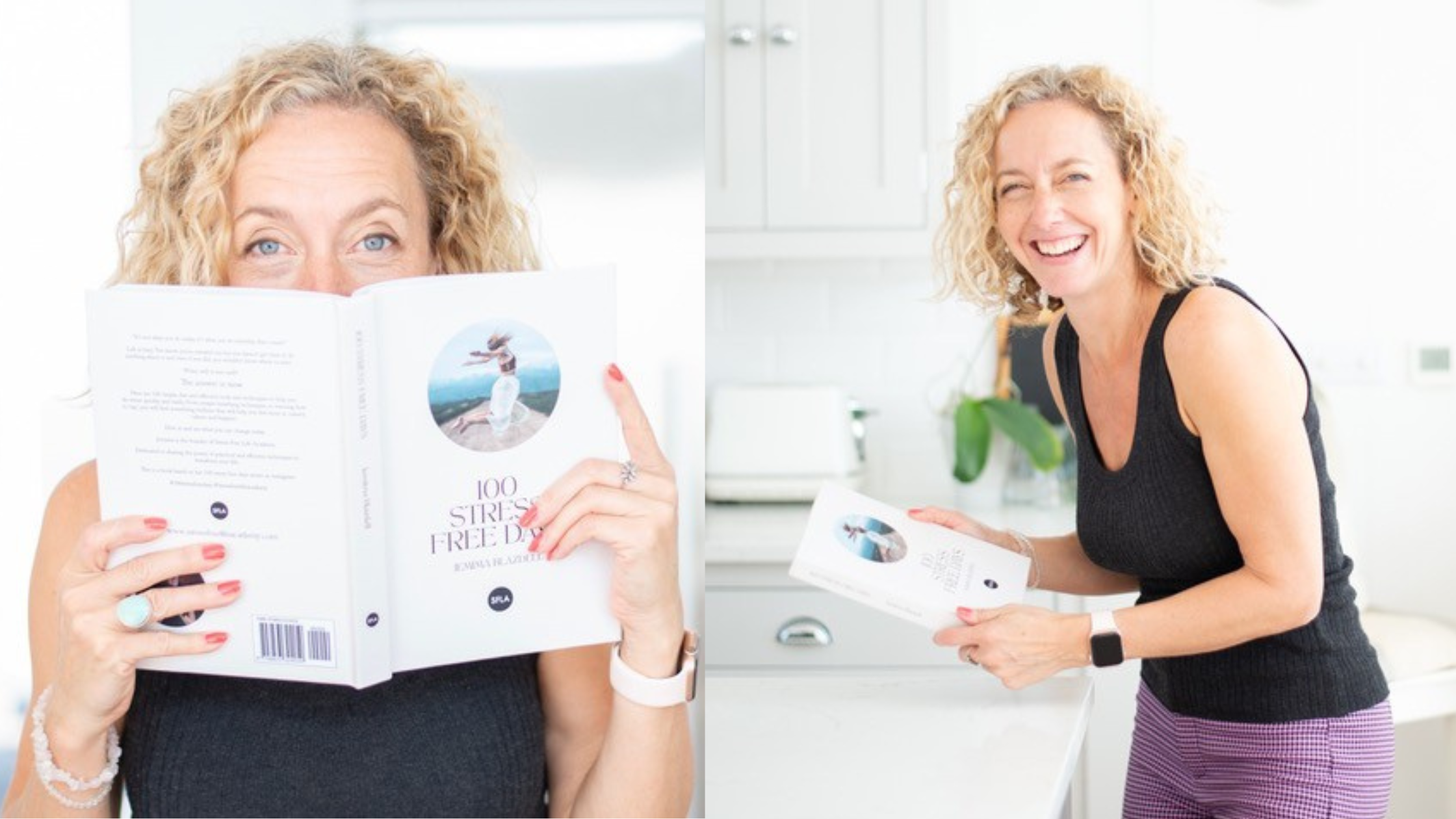
For more reading inspiration, see West Sussex’s 100 Favourite Authors.
Do you want to publish a book people will read?
Here’s hoping you’ve enjoyed this look at the nation’s adult reading habits and recommendations for the National Year of Reading. There are other ways I can help, if you want to write your own page-turner.
I’ve helped Chris North and Sharon Brisley-Moore to create books that non-readers want to read! I’ve also helped Jemima Blazdell create a search engine optimised website to reach more readers and sell more books.
I have the lived experience and empathy to understand neurodiversity, mental health conditions, inclusivity and sensitive content with important messages of support and awareness.
And as a professional editor, I can make your book readable for, and resonant with, your ideal audience.
Get in touch for a free 30-minute consultation and let’s make sure your book suits your readers and their needs.
2 Responses to It’s the National Year of Reading: What’s Getting Adults to Turn Pages?