It was fascinating to watch this webinar from the Chartered Institute of Editing and Proofreading (CIEP). I may have 20 years of experience editing and proofreading, but I’m always learning and looking for the best ways to showcase what I do and why it’s valuable. So, I’m here to share thoughts on why you need to hire a professional editor or proofreader. Spoiler alert: We don’t just spot typos!
What does the Chartered Institute of Editing and Proofreading offer?
The CIEP is a non-profit that promotes excellence in English language editing. They set and demonstrate editorial standards and are a support network for professional editors and proofreaders – the people who make text accurate, clear and fit for purpose.
In this webinar for the CIEP, editor, proofreader and author Debbie Emmitt highlights some excellent points. Mainly, that professional editors and proofreaders do three key things for business owners and book authors alike:
- Elevate your writing
- Make your messages clearer
- Protect your reputation and credibility
Here are some more takeaways (with some of my thoughts added for balance)…
What’s the difference between professional editing and professional proofreading?
Editing and proofreading aren’t the same thing. And they don’t just involve spotting typos. Sometimes I’m asked by clients if I’ll proofread their copy, but what they actually mean (and need) is a full edit. So hopefully this explains what’s what.
Professional editing is:
- Carried out on draft text
- Different levels of editing check for different issues at different stages, e.g. developmental editing, line editing and copyediting
Developmental editing (or dev editing) is a macro view of lengthy content (e.g. a novel, non-fiction book or thesis). It considers elements such as
- Structure
- Plot
- Genre
- Character arcs
- Point of view
Line editing is a line-by-line check of language structure. It considers elements such as:
- Word choice
- Clarity
- Flow
- Conciseness
- Author voice
Copyediting is more of a technical check of language (and what most people outside of the industry mean by editing). It considers elements such as:
- Grammar/spelling/punctuation
- Consistency
- Document clean-up (checking that sub-headings are in the right order)
- Basic fact-checking
- Styles/markup
- Carried out after the design and formatting stages
- A final check of the content as the reader will see it before printing or publishing
Proofreading considers elements such as:
- Grammar/spelling/punctuation (not as in-depth as copyediting)
- Layout
- Formatting
- Consistency
- Headers and footers
And some professional editors (like me) will offer a combination of these services to get your business communications or self-published book into the best shape.
For your business, I can offer proof-editing (a more in-depth check of spelling, grammar and punctuation) for the most polished piece. For independent authors, I offer editing and proofreading packages to suit the type of book and help you get more from your budget.
Who benefits from using professional editors and proofreaders?
From authors and publishers to businesses and charitable organisations, anyone who creates content will benefit from the services of a professional editor and/or proofreader.
Content is everywhere, and to get the right message across everything needs checking, including:
- Subtitles and news captions
- Menus and recipes
- Signage and billboards
Why can’t AI replace the value of a human editor?
I’ve waxed lyrical about the benefits of a professional copywriter over AI. But a professional human editor and proofreader are just as important, for many of the same reasons.
AI spelling and grammar tools (like Grammarly) can help to a certain degree. But they have their limitations and don’t always understand context. They’re not a reliable alternative to a trained and experienced professional editor. The limitations of AI tools for editing and proofreading include:
- Inability to fully understand the information they’re processing — the difference between fact and fiction — Generative AI often makes things up
- Lacking a moral compass and understanding of sensitivity — this is important when it comes to language and communication
- Unawareness of the nuances of meaning and non-standard expressions (e.g. dialects and informal language)
- Poor detection skills when it comes to contextual spelling and grammar, subtlety of meaning and author voice
In the CIEP webinar, Debbie used a nail-in-the-coffin example. She gave ChatGPT a prompt — “Copyedit this sentence: Being dead did not stop Beethoven from composing music”. What did the trusty robot come up with?
- It suggested she used contractions (didn’t instead of did not), even though she hadn’t requested an informal voice.
- It didn’t notice, question or correct that she’d written dead, not deaf, in the prompt.
- It went so far as to suggest a more formal version: “Beethoven continued to compose music, even after his death”.
Wow, just wow!
What benefits does a human professional editor bring?
- We protect the credibility of content creators — businesses and authors.
- We preserve the author’s voice.
- We save clients money by preventing lost sales and lawsuits.
- We can reduce negative book reviews for authors, which impacts sales.
- We can prevent you from causing offence or embarrassment by carrying out authenticity and sensitivity editing from lived experience.
To bring this to light, Global Lingo (2013) asked two questions:
Do you notice the quality of spelling and grammar on a company’s website? And 74% said yes.
Would this stop you buying from this company? And 59% said yes.
With your credibility and sales on the line, it’s a huge risk not to use a professional editor…
How much does professional editing and proofreading cost?
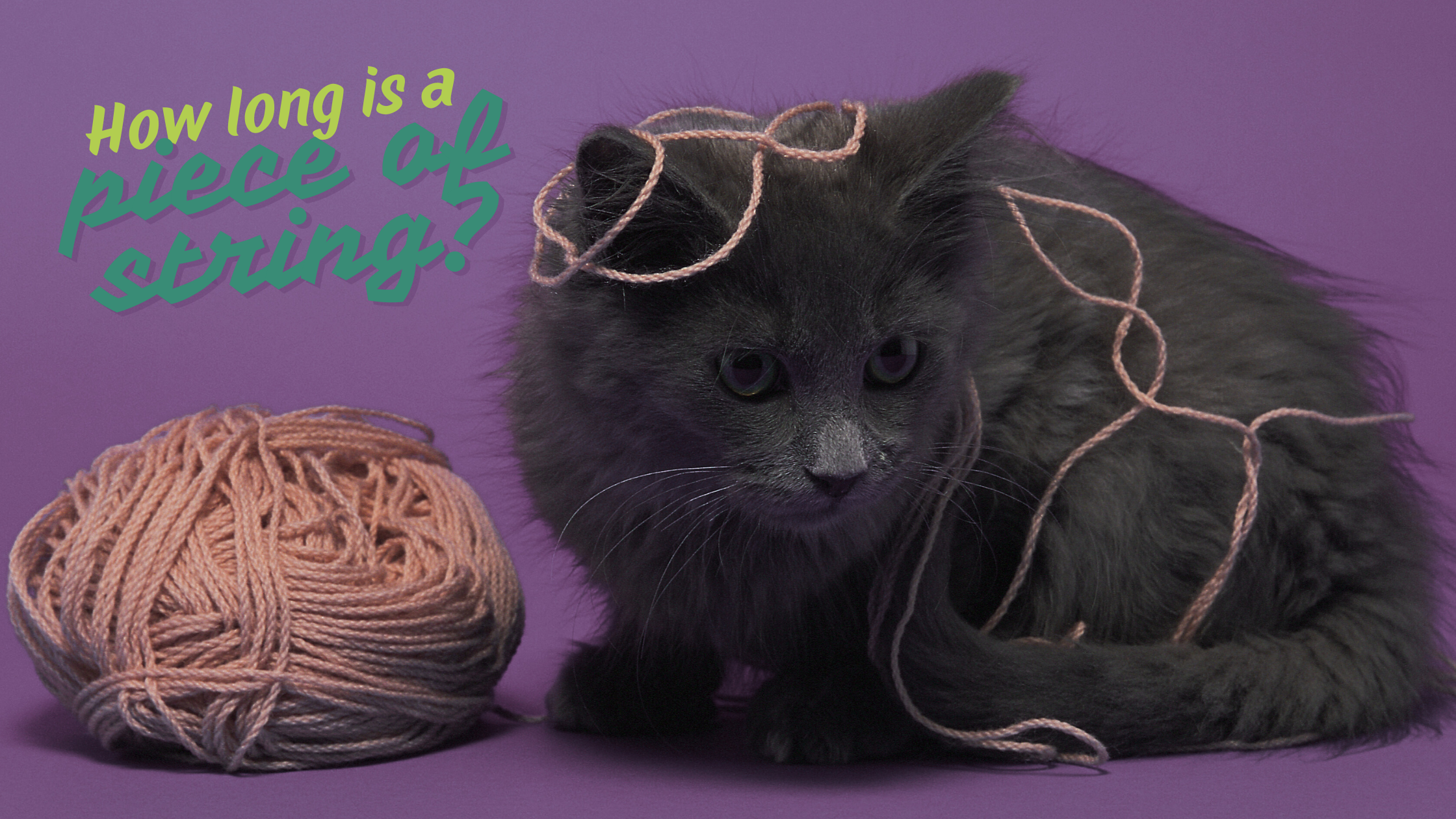
Debbie used a phrase I often reply to this question with, and it can niggle clients. But it really is the only way to give a quick answer… How long’s a piece of string? Every project is unique, so when quoting, a professional editor must consider all of the following:
- Word count
- Content type and genre
- Level of editing and/or proofreading needed
- How ‘clean’ the original text is — how many issues there are
- The editor’s experience and specialism/s
- Turnaround time
- Client’s specific requirements
I’ll always ask for clarification of these points and an extract of your writing so I can assess how long the content will take to polish and how much it will cost.
And you should consider that the cost of a professional editing (or proofreading) project includes much more than the editing itself, such as:
- Research
- Admin and communication
- Experience and training
- Professional memberships, e.g. ProCopywriters
- Equipment, software and books
- Tax and insurance
- Bills, rent and utilities
- Holiday/sickness pay
- Value for a lifetime — you’ll have that polished content to use time and again
- It will save your time, money and reputation
How do you get the best value from a professional editor? Get quotes from different editors to see what they’re offering and:
- Don’t compare rates at face value, only like with like — Are they offering the same types of editing? How many rounds of edits do you get? Do you get an editorial report?
- Self-edit before seeking a quote — The more work you do, the less work the professionals will need to do.
- Seek a professional with skills and experience — It’s a false economy to hire someone cheaply.
- Ask about staggered payments — The usual procedure is 50% upfront (to secure the time) and 50% at the end of the project, but some might be open to spreading payments further.
How to find the right professional editor or proofreader?
Whether you’re getting a recommendation from a colleague or searching a professional body for copywriters and editors, the right professional editor will:
- Offer the professional services you need
- Be skilled and experienced in your type of content
- Ensure you feel comfortable working with them and trust them with your content
- Make suggestions rather than dictate changes, leaving you in control of your content
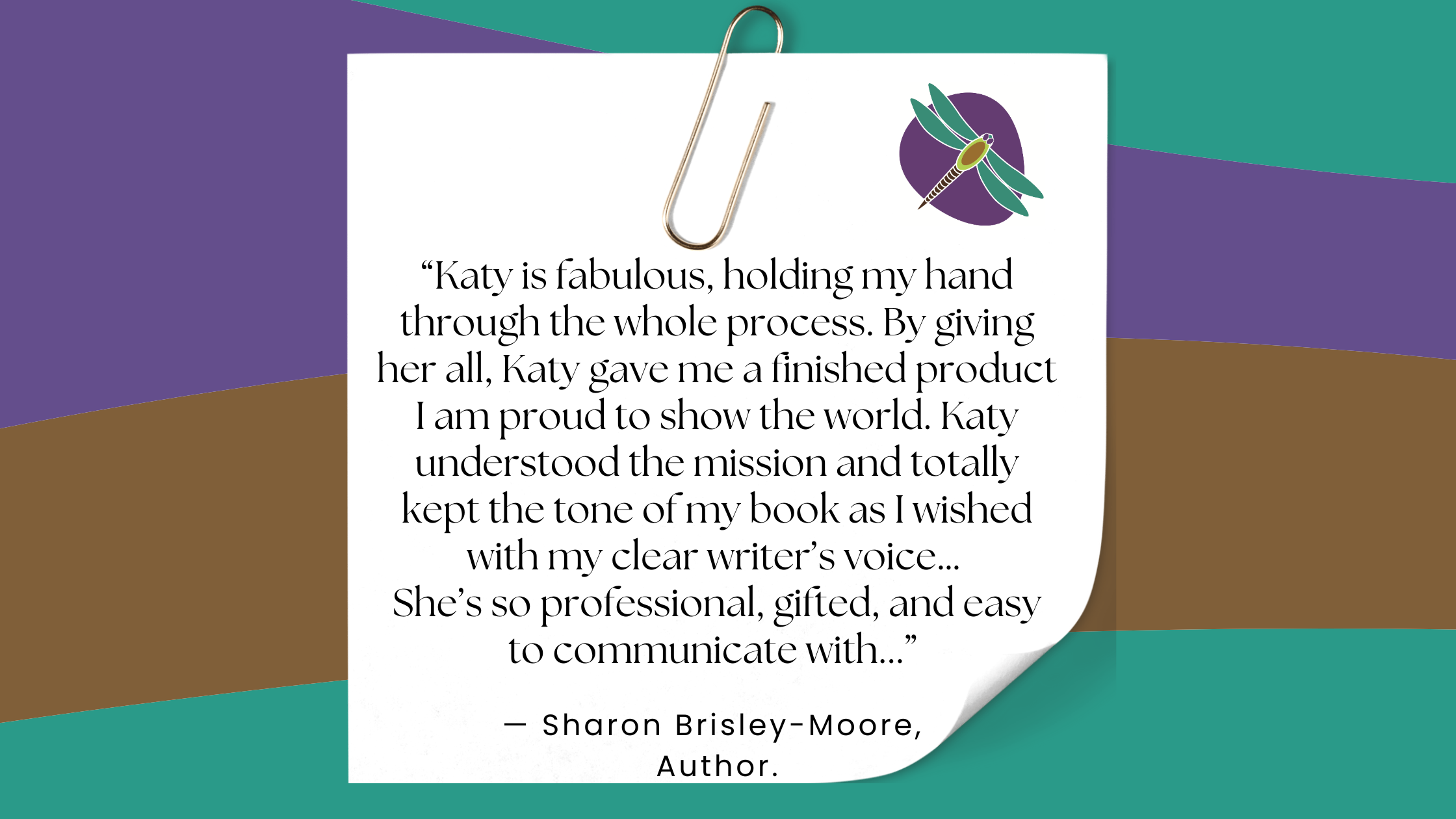
- Have positive testimonials and reviews of their services
What should you ask a professional editor to ensure they’re right for you?
- For information about their professional editing process to make sure it works for you
- What’s included in the project e.g. how many rounds of editing, an editorial report, a feedback meeting
- For their rates and availability
- For a sample edit or proofread (this might be charged for, but the cost taken off the cost off the full edit)
How do you select an editor from your shortlist?
- Study the sample edit or proofread — What types of issues did they spot? What quality were the comments? What was your general feeling about the feedback?
- Consider their availability and rates now.
- Ask for a brief meeting/video call to iron out any final concerns.
- If you’re torn, go with your gut!
Contact your local professional editor and proofreader
So, there are key differences between editing and proofreading — and the various types of editing available. AI is certainly no replacement for a human editor or proofreader. And hiring a professional editor/proofreader will save you time, money and embarrassment.
But what makes me the right choice for your next book or business project?
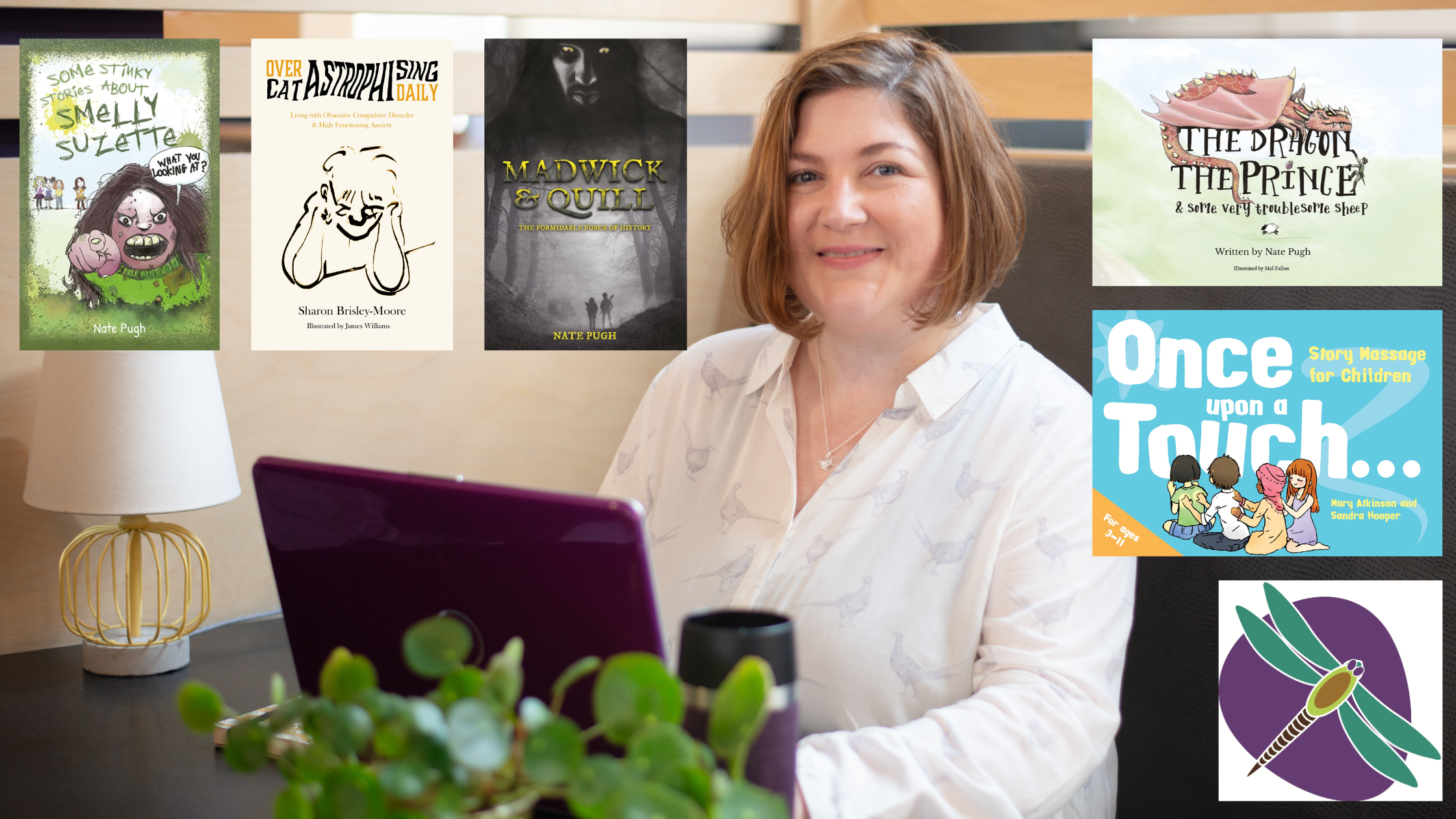
I have 20 years’ skills and experience in professionally editing and proofreading all sorts of content. From fantasy and historical novels to non-fiction wellbeing titles and business books. From articles and website copy to brochures and reports for myriad commercial and educational organisations.
I’ll build a relationship with you, so you feel comfortable and confident sharing your content and working closely with me. I’ll also give you constructive criticism, written kindly and respectfully.
Do you want to work with a professional editor and proofreader who offers all this and has racked up over 50 positive recommendations? Contact me for a free 30-minute consultation and quote.